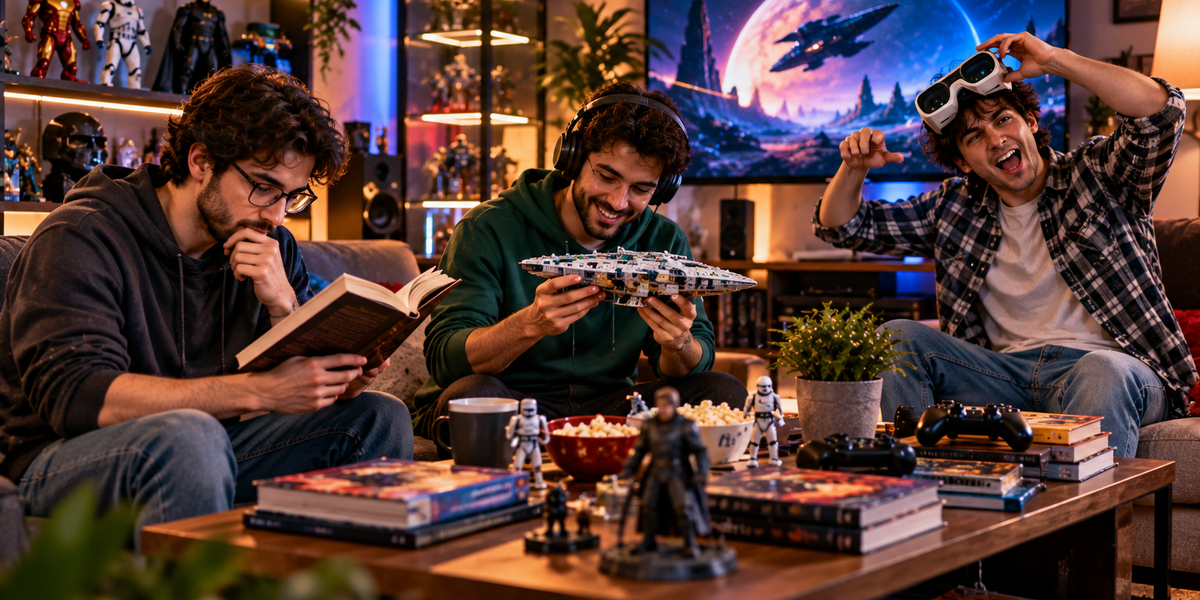
The Real Difference Between a Nerd, a Geek, and a Dork
Nerd, geek, and dork are three words that people constantly use as though they mean exactly the same thing. Someone spends an entire weekend building a computer and gets called a nerd. Someone can explain every detail of a fictional universe and gets called a geek. Someone makes an awkward joke at exactly the wrong moment and gets called a dork. Depending on who is speaking, all three words can be insults, compliments, affectionate descriptions, or identities people proudly claim for themselves.
The confusion makes sense because the stereotypes overlap. Nerds, geeks, and dorks are all associated in some way with enthusiasm, intelligence, unusual interests, social awkwardness, or not caring very much about what is considered conventionally cool. But culturally, the words developed slightly different personalities.
The easiest distinction is that a nerd is traditionally associated with knowledge, a geek with enthusiasm, and a dork with awkwardness. That definition is far from perfect, but it provides a surprisingly useful starting point. A nerd wants to understand something. A geek wants to know everything about something. A dork may simply be gloriously uncool.
And, of course, one person can easily be all three.
Nerd Is Usually About Intellectual Obsession
The classic nerd stereotype centers on intellectual interests.
Think mathematics, science, computers, engineering, history, chess, programming, astronomy, or any subject where someone can disappear into complicated information for hours and genuinely enjoy doing it.
A nerd does not simply know facts. The stereotype suggests someone who enjoys understanding systems.
They want to know how something works, why it works, and whether there is a more efficient way to make it work.
That is why the word became so strongly associated with academic ability and technical knowledge.
The stereotypical nerd was the student who actually enjoyed the assignment everyone else complained about.
Geek Is More About Passion Than Intelligence
Geek overlaps heavily with nerd, but the cultural emphasis is slightly different.
A geek is usually defined by intense enthusiasm for a particular subject.
That subject can certainly be technical. Someone can be a computer geek, coding geek, science geek, or hardware geek.
But it can just as easily involve movies, games, comics, watches, cameras, coffee, sneakers, trains, music, keyboards, fantasy novels, or almost anything else.
A geek does not necessarily need to be academically brilliant.
They need to care.
A lot.
The stereotypical geek can tell you which version to buy, why the older version was better, which obscure model collectors prefer, and why everyone on the relevant forum is currently arguing about something that seems completely insignificant to outsiders.
Dork Is Usually About Social Awkwardness
Dork works differently because it is less about what someone knows or likes.
It is more about behavior.
A dork is traditionally someone who is awkward, goofy, unfashionable, silly, or slightly embarrassing in an endearing way.
You can be a dork without knowing anything about computers or science fiction.
Maybe you make terrible jokes. Maybe you dance badly without caring who is watching. Maybe you become ridiculously excited about something trivial. Maybe you say something awkward and realize what you said approximately three seconds too late.
That is dork territory.
The word can still be insulting depending on tone, but among friends it is often affectionate.
Calling someone a dork can essentially mean, “You are ridiculous, and that is part of why I like you.”
A Nerd Wants to Understand the Spaceship
Imagine three people watching a science-fiction movie.
The nerd starts wondering whether the spaceship could actually work.
How much energy would the propulsion system require? Could humans survive the acceleration? How would artificial gravity function? What materials could withstand the temperatures involved?
By the time the movie ends, the nerd may have opened several browser tabs about orbital mechanics.
The fictional spaceship triggered a real intellectual problem.
That curiosity captures the classic nerd instinct.
The subject becomes interesting because there is something to understand.
A Geek Knows the Spaceship’s Entire History
The geek watching the same movie has different questions.
Which model of spaceship is this? When was it introduced in the fictional timeline? Is it the same version shown in the previous film? Why did the production team change the engine design? Is there a collectible model available?
The geek may know the name of the fictional manufacturer.
They may know which book first mentioned it.
They might have strong opinions about whether a later redesign respected the original.
The nerd studies how spaceships work.
The geek studies this spaceship.
That distinction is exaggerated, but it captures the different cultural flavors of the words.
The Dork Pretends to Fly the Spaceship
Meanwhile, the dork is making spaceship noises.
This may be the clearest explanation available.
The dork’s relationship with the subject does not necessarily depend on expertise.
The defining characteristic is a willingness to be silly, awkward, or enthusiastically uncool.
The dork may know everything about the movie or absolutely nothing about it.
They are simply enjoying themselves in a way that makes everyone else laugh.
Sometimes intentionally.
Sometimes not.
Nerds Can Be Geeks and Geeks Can Be Nerds
Real people obviously refuse to stay inside convenient linguistic categories.
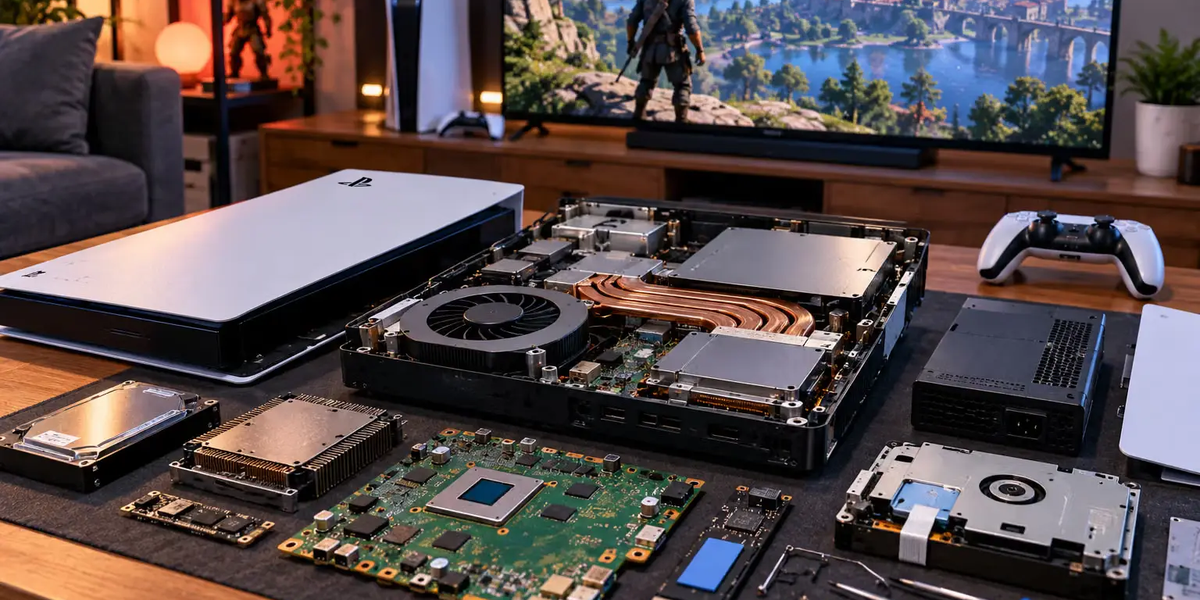
Someone who builds computers may be both a computer nerd and a hardware geek.
They enjoy understanding the technical architecture, which is nerdy, while also obsessively following processors, graphics cards, cases, cooling systems, and new releases, which is geeky.
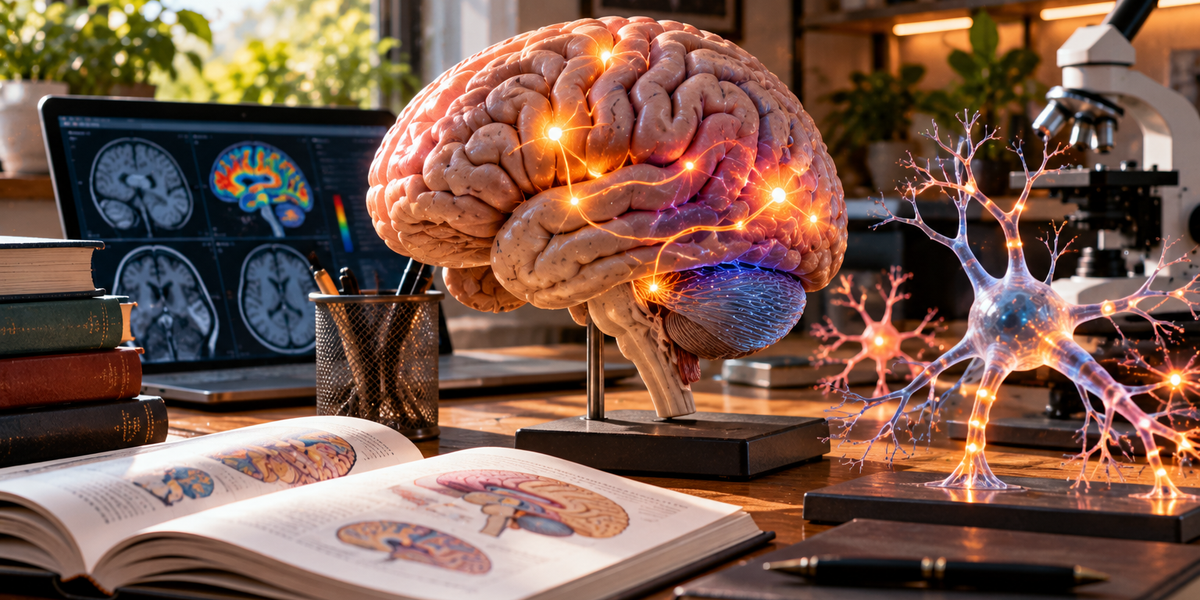
A person who studies astronomy professionally may be a science nerd but also a Star Trek geek.
A history professor might be academically nerdy while becoming extremely geeky about medieval armor.
The categories describe tendencies rather than separate species of human.
There is no entrance examination.
You Can Be a Geek About Almost Anything
One reason “geek” became particularly flexible is that people began attaching it to subjects far beyond traditional geek culture.
There are coffee geeks who can discuss extraction ratios and grinders for hours.
There are watch geeks who recognize obscure mechanical movements.
There are car geeks who can identify an engine from its sound.
There are fashion geeks who know the history of designers and fabrics.
There are geography geeks, aviation geeks, typography geeks, skincare geeks, wine geeks, and weather geeks.
The structure is always similar.
Take an ordinary subject.
Care about it far more deeply than the average person.
Learn enough detail that outsiders become slightly concerned.
Congratulations. You may be a geek.
Nerd Has Also Become Much Broader
Nerd has undergone a similar transformation.
People now casually describe themselves as history nerds, data nerds, language nerds, policy nerds, statistics nerds, and countless other variations.
The word often signals that someone enjoys going deeper than necessary.
A normal person may want the answer.
A nerd wants the methodology.
Where did the information come from? How reliable is the source? What assumptions were used? Is there another dataset? What happens if we change one variable?
The subject almost does not matter.
The nerdy part is the pleasure of understanding it thoroughly.
Dork Is Harder to Turn Into Expertise
Nobody usually introduces themselves as a “financial dork” because they possess extraordinary knowledge of investment markets.
That is because dork does not primarily communicate expertise.
It communicates personality.
Someone might describe themselves as a dork because they are goofy, enthusiastic, socially clumsy, or comfortable behaving in ways that are not particularly cool.
The word therefore carries a strangely warm quality when used affectionately.
A nerd can impress you.
A geek can overwhelm you with information.
A dork can make you laugh while accidentally walking into a door.
All Three Words Were Once Much More Insulting
The modern friendliness of these labels can make it easy to forget that they were historically used much more negatively.
For decades, calling someone a nerd or geek often implied that they were socially unsuccessful, physically awkward, unfashionable, or excessively interested in subjects considered uncool.
Popular entertainment reinforced those stereotypes.
The nerd was frequently portrayed wearing glasses, struggling socially, excelling academically, and having little understanding of fashion or popularity.
The geek occupied similar territory, particularly when associated with computers, comics, science fiction, or technology.
Dork generally emphasized the awkwardness without requiring the intelligence.
None of these were categories most teenagers were desperately hoping to join.
School Culture Helped Create the Stereotypes
The classic meanings of nerd and geek make the most sense within traditional school social hierarchies.
Certain abilities carried obvious status.
Athletic ability, appearance, confidence, popularity, and social skills could make someone “cool.”
Being unusually interested in mathematics or computers often did not.
That created a cultural contradiction.
The skills that could eventually become professionally valuable were not necessarily the skills that produced teenage social status.
Someone might be exceptionally talented at programming and still be mocked for spending Friday night writing software.
The stereotype depended on separating intellectual achievement from social success.
Then the world changed.
Technology Completely Changed the Status of the Nerd
Personal computers became essential.
The internet transformed society.
Software became one of the world’s most important industries.
Technology companies grew enormously influential.
Suddenly, understanding computers was not an obscure ability.
It was economically valuable.
Programming became a highly desirable skill. Engineering became associated with innovation. Startup founders became celebrities. Technology products shaped everyday culture.
The nerd stereotype could not remain unchanged once many stereotypically nerdy skills became pathways to wealth, influence, and prestigious careers.
The same culture that once mocked computer obsession increasingly depended on computer experts to build everything.
Geek Culture Became Mainstream Too
Geek experienced an equally dramatic rehabilitation.
Comic-book superheroes became global entertainment. Fantasy became prestige television. Gaming became mainstream. Anime reached international audiences. Science fiction became central to popular culture.
Activities once used as evidence that someone was geeky became ordinary.
Millions of people started discussing fictional universes, collecting merchandise, attending conventions, playing games, and debating characters.
At some point, calling someone a geek because they liked superhero movies stopped being particularly meaningful.
Almost everyone had entered at least one part of traditional geek culture.
The Internet Rewarded Obsession
The internet also changed the social value of knowing too much about something.
Before online communities, having an extremely specialized interest could be isolating.
You might know everything about an obscure game, scientific subject, television series, or historical period without knowing anyone nearby who cared.
Online, expertise attracts communities.
The person who knows far too much can become the person everyone asks for help.
A geek can create a channel reviewing equipment.
A nerd can publish detailed explanations.
A collector can find other collectors.
An obscure obsession can become an audience.
The internet effectively created a global market for knowing way too much about something.
Social Media Made Micro-Expertise Valuable
Modern online culture rewards specialization.
Someone can build an entire following around explaining one extremely narrow subject.
There are creators known for restoring old technology, explaining medieval weapons, reviewing keyboards, analyzing movie effects, discussing aircraft, testing cameras, identifying plants, or examining tiny details in video games.
In another era, this level of specialization might have seemed excessive.
Online, it can become a career.
The cultural equation changed.
Being obsessed with something is no longer automatically socially costly.
Sometimes obsession is the product.
Geek Became Something People Proudly Claimed
As geek culture became more mainstream, people increasingly adopted the label themselves.
Calling yourself a geek could communicate enthusiasm rather than social failure.
The word began to suggest curiosity, expertise, and genuine passion.
Someone saying “I’m a huge movie geek” usually is not insulting themselves.
They are warning you that asking about their favorite director may produce a forty-minute conversation.
The label became a form of pride.
It says that this person has found something they care about enough to explore deeply.
Nerd Became Almost a Compliment
Nerd underwent an even more surprising transformation.
In many professional and social environments, calling someone a nerd can now imply intelligence and expertise.
A “data nerd” is probably someone you want analyzing your numbers.
A “policy nerd” likely understands details other people ignore.
A “computer nerd” may be exactly the person everyone contacts when something stops working.
The insult became valuable partly because society became increasingly dependent on specialized knowledge.
Knowing things turned out to be useful.
Dork Somehow Became Adorable
Dork followed a different path.
It never acquired the same association with valuable expertise.
Instead, it became softer.
Among friends and romantic partners, calling someone a dork is often affectionate precisely because it acknowledges their awkward or ridiculous side.
It can mean someone is comfortable enough to stop performing coolness.
That may explain why the word often feels less harsh today than its older usage suggests.
There is something likable about people who allow themselves to be enthusiastic and slightly embarrassing.
Coolness requires control.
Dorkiness requires considerably less.
The Difference Is Really About What Drives the Behavior
The most useful way to separate the three terms is to ask what sits at the center.
For the nerd, it is usually knowledge.
For the geek, it is usually passion.
For the dork, it is usually personality.
A nerd might spend Saturday learning a programming language because understanding the system is satisfying.
A geek might spend Saturday comparing twenty mechanical keyboards because the hobby is fascinating.
A dork might spend Saturday giving all twenty keyboards names.
Again, these are playful distinctions rather than scientific classifications.
Real people overlap constantly.
What About “Tech Bro”?
Modern culture has also produced newer labels that overlap with older stereotypes without meaning quite the same thing.
A tech bro, for example, is not simply a computer nerd.
The term usually carries associations with technology-industry culture, startups, investment, optimization, products, and a particular kind of professional confidence.
The traditional nerd stereotype suggested someone socially marginalized because of technical interests.
The tech-bro stereotype almost reverses that image.
Technology is no longer outside mainstream power.
It is part of it.
That evolution reveals how dramatically the cultural status of technical knowledge changed.
What About Gamers?
“Gamer” is another label that once overlapped heavily with geek identity.
As gaming became mainstream, however, the category expanded so much that it stopped automatically implying geekiness.
Someone who occasionally plays a popular game on their phone and someone who spends thousands of hours mastering a competitive PC game are both technically playing video games.
The difference lies in intensity.
That is where geek identity tends to reappear.
Casual participation is ordinary.
Deep obsession is geeky.
What About Otaku?
The Japanese word “otaku” is sometimes treated internationally as roughly equivalent to anime geek, but the comparison is imperfect.
Its cultural meaning in Japan has historically carried different associations and can vary depending on context.
Outside Japan, many anime fans adopted the term more positively to describe deep enthusiasm for anime, manga, and related interests.
This illustrates a broader problem with subcultural labels.
Words travel.
Their meanings change as communities adopt them.
Trying to produce one permanent definition usually fails because culture keeps rewriting the dictionary.
The Same Person Can Change Categories by Subject
Imagine someone who works as a software engineer, loves fantasy movies, and constantly makes terrible jokes.
At work, colleagues might affectionately call them a coding nerd because they genuinely enjoy understanding technical systems.
At home, they may be a fantasy geek who knows the fictional history of every kingdom in their favorite series.
With friends, they may be a complete dork.
Nothing about these identities conflicts.
The labels describe different parts of the same person.
That is why trying to determine whether someone is officially a nerd or officially a geek misses the point.
People are complicated.
Slang is flexible.
There Is Also a Difference Between Expertise and Performance
Some people genuinely love learning everything about a subject.
Others enjoy the identity surrounding it.
Internet culture made this distinction more visible.
Someone can wear gaming merchandise without being deeply interested in game mechanics. Another person may understand computers at an extraordinary level while caring nothing about traditional geek aesthetics.
Neither is necessarily more legitimate.
Culture constantly turns interests into identities, and identities into styles.
Once a subculture becomes popular enough, people can participate at different levels.
The hardcore enthusiast and casual fan can occupy the same cultural space for completely different reasons.
Gatekeeping Makes These Labels Less Fun
Whenever communities develop expertise, some members begin deciding who qualifies as a “real” fan.
You cannot be a real gamer unless you play certain games.
You cannot be a real comic geek unless you have read particular issues.
You cannot call yourself a nerd unless you understand some technical subject.
This misses what made these identities appealing after they were reclaimed.
Their modern value comes from enthusiasm.
There is no licensing authority for being a geek.
Nobody is checking credentials at the entrance.
If someone is excited enough about a subject to voluntarily spend Saturday night reading about it, they are probably doing fine.
Nerdiness Became a Form of Cultural Currency
Modern culture increasingly values deep knowledge.
Podcasts can spend hours exploring one subject. Video essays analyze movies in extraordinary detail. Online communities document fictional universes with encyclopedic precision.
People want explanations.
They want experts.
They want someone who already spent fifty hours researching the thing they became curious about yesterday.
That gives nerdiness cultural value.
The person who knows too much is useful when everyone suddenly wants to know more.
Geekiness Became a Form of Identity
Geekiness, meanwhile, became a way of publicly communicating enthusiasm.
People decorate homes with objects from favorite franchises, customize gaming setups, wear merchandise, attend conventions, build collections, and join communities around hobbies.
The passion becomes visible.
It tells other people something about you.
This is one reason geek culture became so socially powerful.
Shared enthusiasm creates instant connections.
Two strangers who discover they love the same obscure game suddenly have something to discuss.
Dorkiness Became Freedom From Being Cool
Dork may have experienced the most charming transformation of all.
Being cool often involves appearing effortless.
You are supposed to know what is fashionable without trying too hard, enjoy things without becoming embarrassingly enthusiastic, and maintain a certain level of social control.
Dorkiness rejects that.
A dork can care too much.
Laugh too loudly.
Make the bad joke.
Wear the ridiculous costume.
Become excited about something everyone else considers trivial.
There is a freedom in that.
Once someone stops worrying about whether every interest makes them look cool, they can actually enjoy things.
The Categories Depend on Who Is Speaking
Tone matters enormously.
“Nerd” spoken aggressively can still be an insult.
“My favorite nerd” can be affectionate.
“Geek” can describe expertise, fandom, or social identity.
“Dork” can be cruel between strangers and loving between close friends.
Language does not exist independently of relationships.
The exact same word can communicate completely different meanings depending on who says it, why they say it, and how the person receiving it feels.
That is another reason rigid definitions fail.
These are social labels, not scientific categories.
The Stereotypes Have Almost Flipped
There is something wonderfully strange about what happened to these words.
The nerd who understood computers was once mocked because computers seemed obscure.
Then computers became essential.
The geek who obsessed over fantasy and superheroes was once mocked because those interests seemed niche.
Then fantasy and superheroes became enormous entertainment industries.
Even the dork’s willingness to be openly enthusiastic became more socially acceptable in a culture where people constantly build communities around extremely specific interests.
The traits remained surprisingly similar.
Society changed around them.
Everyone Is Probably a Geek About Something
Once “geek” expands beyond computers and comic books, most people qualify somewhere.
Someone knows an unreasonable amount about football.
Someone else knows every skincare ingredient.
Another person can identify cars from headlights.
Someone can discuss coffee machines for an hour.
Another person has extremely strong opinions about luggage.
The subject changes.
The behavior does not.
Humans enjoy expertise, collecting, comparison, mastery, and belonging.
Geek culture simply gave those instincts a name.
So What Is the Real Difference?
If you absolutely need a clean distinction, this is probably the closest one.
A nerd is defined mainly by intellectual curiosity and deep knowledge. A geek is defined mainly by enthusiastic obsession with a particular interest. A dork is defined mainly by awkward, goofy, or proudly uncool behavior.
But the boundaries are intentionally messy.
The computer scientist explaining processor architecture may be a nerd.
The person collecting vintage computers may be a geek.
The person who names every computer in the house after Star Wars characters may be a dork.
The person doing all three has achieved the complete set.
Maybe None of Them Are Really Insults Anymore
The most interesting difference between these words today and several decades ago is not their definitions.
It is their status.
The qualities they once mocked have become much easier to celebrate.
Curiosity is useful.
Expertise is valuable.
Passion is attractive.
Enthusiasm creates communities.
Even awkwardness can be charming when it comes from someone comfortable enough to stop pretending to be cool.
Nerds, geeks, and dorks were once stereotypes describing people supposedly standing outside mainstream culture.
Then technology became mainstream, fandom became mainstream, gaming became mainstream, and obsessive online communities became mainstream.
The outsiders did not necessarily change.
The culture surrounding them did.
And if you still cannot decide whether you are a nerd, geek, or dork, there is one final possibility worth considering.
You might simply be all three.