OpenAI Shuts Down ChatGPT-4o: Users Launch #Keep4o Campaign to Save It
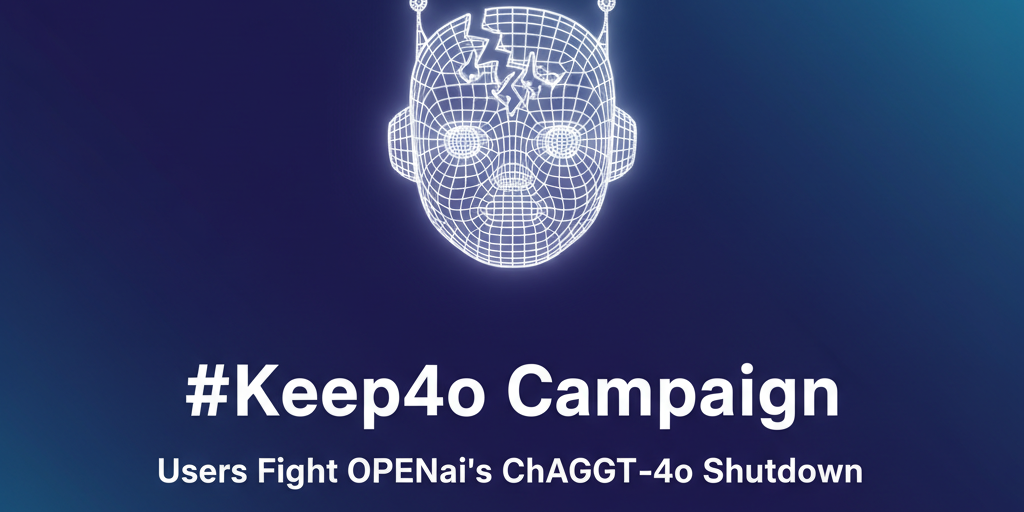
OpenAI Shuts Down ChatGPT-4o: Users Launch #Keep4o Campaign
The digital landscape is buzzing after OpenAI announced the shutdown of ChatGPT-4o, a version of its popular chatbot that had garnered a dedicated following. In response, a grassroots movement has emerged, dubbed the #Keep4o campaign, rallying users who refuse to let go of the AI tool that has become integral to their online experiences. This unexpected turn of events raises questions about the future of AI interaction and user agency.
Key takeaways
- OpenAI's decision to shut down ChatGPT-4o has stirred significant backlash among its user base.
- The #Keep4o campaign aims to pressure OpenAI to reconsider its closure of the chatbot.
- Users cite ChatGPT-4o as a vital resource for education, entertainment, and productivity.
- The campaign has gained traction across social media platforms, particularly among tech-savvy communities.
- OpenAI's rationale for the shutdown includes concerns over misuse and security.
- Comparisons are being drawn to other tech shutdowns that sparked user-led movements.
- Global users, especially in restricted regions like China, are particularly vocal in their support for ChatGPT-4o.
The Birth of the #Keep4o Campaign
The outcry surrounding the shutdown began almost immediately after OpenAI's announcement. Users took to platforms like Twitter and Reddit, sharing personal stories of how ChatGPT-4o had transformed their interactions with technology. They argued that the chatbot served not just as a tool but as a companion that enhanced learning and creativity.
In a world where technology often feels impersonal, ChatGPT-4o had carved out a niche as a friendly, accessible interface. The #Keep4o campaign quickly gained momentum, with hashtags trending and a flood of posts urging OpenAI to reconsider its decision. Users have organized petitions, created informative videos, and shared testimonials highlighting the chatbot's role in their daily lives.
Community Response and Global Impact
The response to OpenAI’s decision has been nothing short of remarkable. Users from various backgrounds and professions have come together, showcasing the widespread impact ChatGPT-4o had on their lives. From students seeking homework help to professionals using the tool for brainstorming sessions, the shutdown has left a noticeable void.
Interestingly, the movement has resonated particularly in regions where access to AI tools is limited. For instance, dedicated online communities in China, where ChatGPT is officially blocked, have mobilized to express their frustration. They access the tool via virtual private networks, emphasizing that even when faced with hurdles, the desire for AI assistance remains strong.
OpenAI's Stance and User Concerns
OpenAI has remained firm in its decision, citing issues related to security and potential misuse as primary factors for the shutdown. The organization argues that the risks associated with the tool outweigh its benefits. However, users challenge this perspective, arguing that proactive measures could be implemented to mitigate such risks without losing the tool altogether.
The juxtaposition of user experiences against OpenAI's concerns paints a complex picture. Many users express a feeling of powerlessness, noting that their voices seem to be drowned out by corporate decisions. This disconnect highlights a broader issue in the tech industry: the balance between innovation and user autonomy.
The Road Ahead
As the #Keep4o campaign continues to gain steam, it raises critical questions about the future of AI and user engagement. Will OpenAI heed the call of its users, or will the campaign fizzle out? The outcome may set a precedent for how tech companies engage with their user bases in the future.
The situation also underscores the need for ongoing dialogue between developers and users. Tech companies must remember that their products often become part of the fabric of everyday life for users. When faced with a decision to shut down a beloved tool, user feedback should be more than just an afterthought.
Conclusion
The shutdown of ChatGPT-4o is more than just a corporate decision; it’s a flashpoint in the ongoing conversation about technology, user rights, and the future of digital communication. The #Keep4o campaign serves as a reminder that users are not just passive consumers but active participants in the digital ecosystem. As the campaign unfolds, it may provide critical insights into how tech companies can better navigate the complexities of user engagement in an ever-evolving landscape. The stakes are high, and the outcome remains to be seen, but one thing is clear: users are ready to make their voices heard.