Best Headphones for Metal Music: Why Most Fail (And What Works)
Metal isn't background music. It's a sonic assault that most headphones can't handle. When a drummer unleashes 250 BPM blast beats while two guitars layer dissonant riffs and a bass guitar rumbles beneath, cheap earbuds just give up. They turn precision into mush.
The best headphones for metal music exist because regular headphones are tuned for pop radio and trap beats. They pump up flabby bass, hide guitars behind everything else, and turn aggressive attacks into polite taps. That's the opposite of what metal needs.
What Actually Matters in Best Metal Headphones
Bass That Hits Like a Kick Drum Should
Forget that boomy nonsense from Beats knockoffs. Metal bass needs to be tight and fast. You should feel each individual kick in a double bass pattern, not some vague thumping. Sub bass around 60Hz gives you that chest punch, but only if it stays controlled.
When your bass guitar player is grinding out low tuned riffs, you need to hear those notes clearly. Not just feel vibrations. Metal music headphones make bass physical without turning it into mud.
Mids That Actually Let You Hear the Guitars
This is where most headphones completely blow it. The midrange from 200Hz to 2kHz is where distorted guitars live. It's where vocalists scream and growl. It's literally the core of metal.
But consumer headphones scoop out the mids because it sounds "exciting" in a store demo. For metal, that's death. Your rhythm guitars disappear. Solos sound thin and distant. You need forward, clear mids that put guitars right in your face where they belong.
Treble Without the Ice Pick
Cymbals, hi hats, and that crispy attack when picks hit strings all happen up in the high frequencies. You want that sparkle and detail extended past 15kHz. But harsh treble will destroy your ears during a two hour listening session.
Good metal headphones walk that line. They give you the shimmer and air without making you wince. Usually there's a small bump around 4kHz that adds bite without crossing into painful territory.
Speed for When Things Get Insane
Technical death metal and progressive metal move fast. Really fast. Your headphones need to keep up when the drummer is doing 32nd note fills and the guitarist is sweep picking through modes at light speed.
This comes down to how quickly the drivers react. Slow drivers smear notes together into a blur. The best headphones for metal music use driver tech that snaps into action instantly, then stops just as quick. Planar magnetic designs often nail this.
Closed Back Headphones vs Open Back for Metal
Open back headphones sound more natural and spacious. They're great if you live alone or have a quiet room. But they leak sound like crazy and block nothing from outside.
Closed back designs seal around your ears. They punch harder in the bass, keep your death metal private, and block out roommates or traffic. Most serious metal listeners end up going closed back for those reasons.
Actual Best Metal Headphones Worth Buying
Starter Tier Under $150
Beyerdynamic DT 770 Pro with 80 ohm impedance gives you solid bass and good isolation without destroying your wallet. Audio Technica ATH M50x works too if you want more neutral mids. Both handle fast metal without falling apart.
The Middle Ground $150 to $500
Sennheiser HD 660 S if you want open back refinement. Rich midrange that makes guitars sing, works beautifully for prog metal. Focal Elegia for closed back impact. These respond fast enough for blast beats and stay detailed when everything gets chaotic.
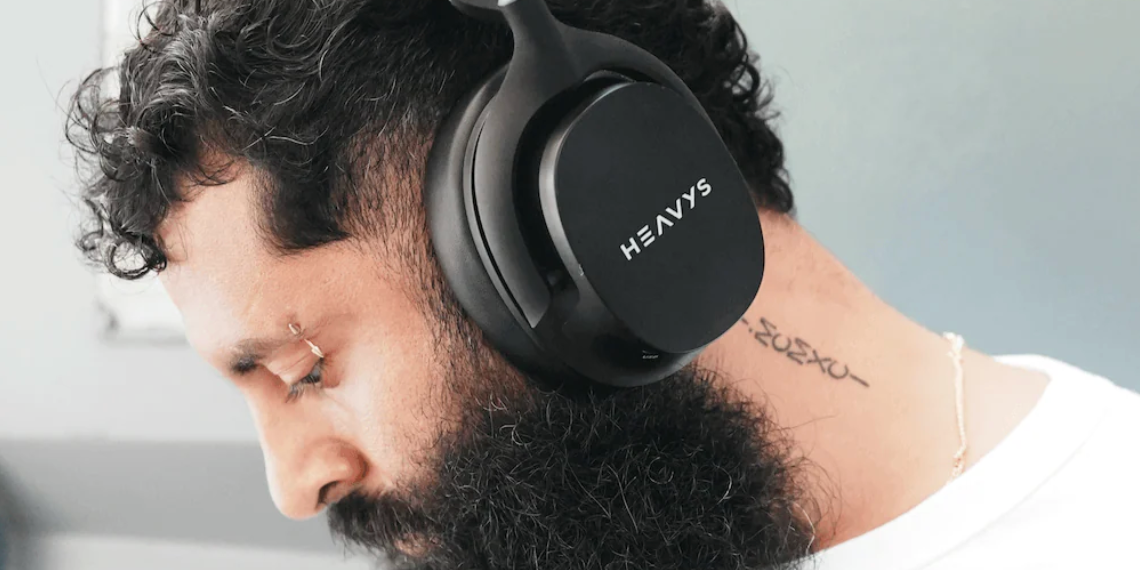
Heavys headphones are engineered specifically for heavy music. With a dual driver design in each earcup, they keep double kick drums tight, guitars forward, and complex passages clear instead of smeared.
The closed back construction delivers strong isolation and punchy low end without sacrificing midrange clarity. If most headphones are adapted for metal, Heavys is built for it.
No Compromises Over $500
Audeze LCD-X uses planar magnetic drivers for massive soundstage and deep controlled bass. HiFiMan Arya creates this holographic space where you can pinpoint exactly where each instrument sits in the mix. At this level you're hearing what the producer heard in the studio.
Key Takeaways
Finding the best headphones for metal music comes down to understanding what metal actually demands. Tight bass that punches without bloating. Forward mids that showcase guitars and vocals. Extended treble that adds sparkle without fatigue. And fast driver response that keeps up with technical passages.
Closed back headphones dominate the metal scene for good reason. They isolate better and hit harder in the low end. But your budget matters too. Even under $150, models like the Beyerdynamic DT 770 Pro deliver serious performance. Moving up to $500 gets you professional grade sound, while over $500 brings studio reference quality.
Don't forget amplification for higher impedance models and proper fit for optimal bass response. The right metal music headphones transform how you experience your favorite albums.
For listeners focused almost entirely on heavy genres, purpose-built options like Heavys can deliver more impact and guitar clarity than general audiophile headphones.
Frequently Asked Questions
What makes the best metal headphones different from regular headphones?
Metal headphones need tight controlled bass instead of boomy low end, forward clear mids to hear guitars properly, and fast transient response to handle rapid blast beats and technical playing. Regular consumer headphones scoop out mids and blur fast passages.
Should I get open back or closed back headphones for metal?
Most metalheads choose closed back headphones because they provide better bass impact, complete isolation from outside noise, and keep your music private. Open back sounds more natural but leaks sound and offers zero noise blocking.
Do I need an amplifier for metal headphones?
If your headphones have impedance over 250 ohms, yes. Without proper amplification, high impedance models sound thin and weak. Even mid impedance headphones around 80 ohms benefit from dedicated amps to deliver full impact and dynamics.
What's the minimum I should spend on headphones for metal music?
Around $100 gets you legitimate performance with models like Beyerdynamic DT 770 Pro or Audio Technica ATH M50x. Going cheaper usually means compromised sound quality that can't handle metal's complexity and speed.
Why do expensive metal headphones use planar magnetic drivers?
Planar magnetic technology responds incredibly fast to audio signals, which matters for metal's rapid transients and technical passages. They also provide massive soundstage and deep controlled bass that single dynamic drivers struggle to match.
Are there headphones designed specifically for metal music?
Yes. Some brands tune specifically for heavy genres. Heavys focuses on tight controlled bass, forward mids for guitars, and fast driver response to handle extreme metal cleanly.