How Geek Culture Went Mainstream (Without Anyone Noticing)
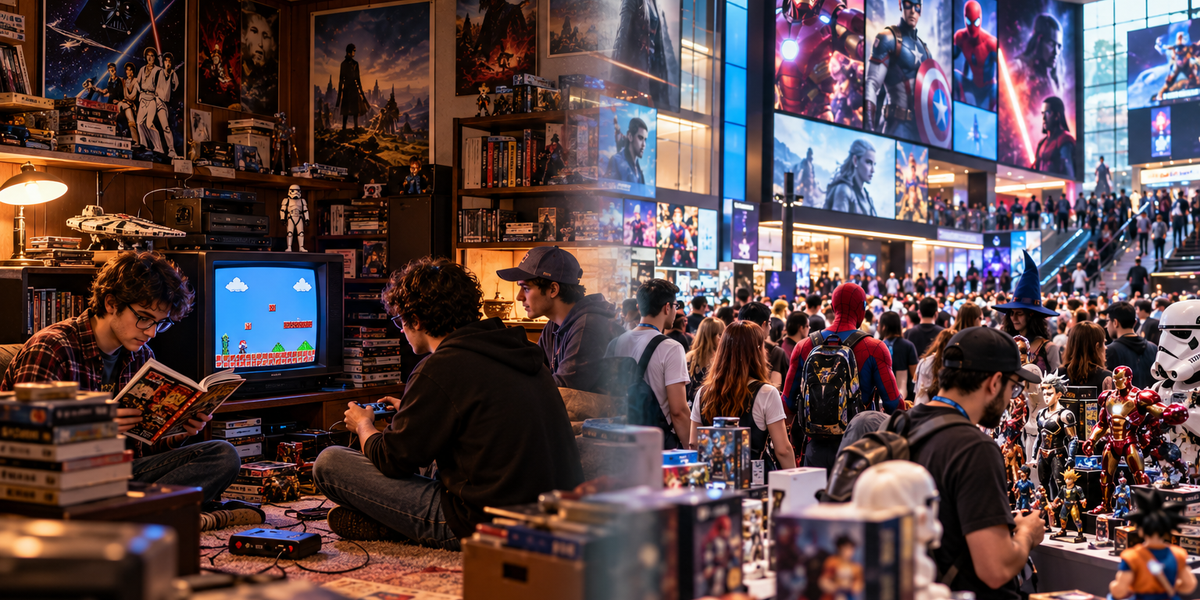
There was a time when being called a geek was not exactly a compliment. The stereotype was easy to recognize: someone obsessed with computers, comic books, science fiction, fantasy novels, tabletop games, or obscure technical knowledge that most people supposedly did not care about. Geek culture existed, but it was often treated as something happening outside mainstream culture, inside comic shops, computer clubs, conventions, basements, message boards, and small communities of people who knew exactly why a particular spaceship, superhero issue, game console, or programming language mattered.
Then something strange happened. The mainstream did not simply become more accepting of geek culture. It began absorbing it.
Superhero movies became some of the largest entertainment franchises in the world. Video games became a global industry played across almost every age group. Fantasy television became prestige entertainment. Anime moved from specialized fan communities into major streaming platforms. Technology companies became some of the most influential institutions on Earth. People who had never entered a comic shop began debating fictional universes, collecting merchandise, watching game streams, and using vocabulary that once belonged almost entirely to niche internet communities.
Geek culture did not conquer mainstream culture in one dramatic moment. It happened gradually enough that many people barely noticed the transition. By the time everyone looked around, the things once considered geeky were simply culture.
Being a Geek Used to Mean Being Outside the Mainstream
The word “geek” has changed enormously over time. For much of the late twentieth century, it carried an image of social awkwardness and obsessive interest in subjects considered too technical, childish, or strange for mainstream popularity.
Comic books were often treated primarily as children’s entertainment. Video games were viewed as toys. Science fiction and fantasy had passionate audiences but were still frequently categorized as niche genres. Computers themselves were unfamiliar enough that knowing how to use one could make someone seem unusually technical.
Popular entertainment reinforced these stereotypes. The geek was often the character who understood computers but could not talk to people, knew every detail about fictional worlds, wore unfashionable clothes, and existed somewhere near the bottom of the social hierarchy.
The stereotype was exaggerated, but it reflected a genuine cultural divide. Many interests now considered completely normal once required joining relatively small communities.
Fandom Existed Long Before Social Media
Geek culture did not begin with the internet.
Science-fiction fans were building communities decades before social media existed. They created newsletters, organized conventions, exchanged letters, formed clubs, collected memorabilia, wrote fan fiction, and argued passionately about fictional universes.
Comic-book readers developed similarly dedicated communities. Tabletop role-playing games created social groups around elaborate imaginary worlds. Early computer enthusiasts gathered in clubs to exchange software, hardware knowledge, and ideas.
These communities developed many behaviors that would later become normal online culture.
Fans created inside jokes, debated fictional continuity, produced their own creative work, developed specialized vocabulary, and built identities around shared interests.
The internet did not invent fandom.
It gave fandom a global communications network.
Star Wars Proved Geeky Worlds Could Become Mass Culture
When Star Wars arrived in 1977, it demonstrated the enormous cultural potential of science-fiction fandom.
The movie combined space opera, fantasy, mythology, adventure, memorable characters, distinctive visual design, and groundbreaking special effects into something audiences could immediately understand.
More importantly, people did not simply watch Star Wars and move on.
They wanted to live inside its universe.
They bought toys, read expanded stories, memorized details, debated characters, dressed as heroes and villains, and returned for sequels.
This kind of engagement was familiar within smaller fandom communities, but Star Wars demonstrated that it could happen at enormous scale.
The modern entertainment franchise, where audiences consume not just one story but an entire interconnected fictional world, owes a great deal to that transformation.
Home Computers Changed What “Computer Geek” Meant
During the early years of personal computing, knowing how computers worked was genuinely unusual.
Computers required more technical knowledge, interfaces were less intuitive, and ordinary people had fewer reasons to use them.
Computer enthusiasts therefore developed their own subculture.
They built machines, programmed software, exchanged knowledge, experimented with networks, and learned terminology that sounded incomprehensible to outsiders.
Then computers became useful to almost everyone.
Schools adopted them. Offices depended on them. Homes connected to the internet. Digital communication became normal.
The computer geek did not disappear.
The rest of society simply started using computers too.
Knowledge that once marked someone as unusually technical became basic literacy.
Video Games Grew Up With Their Audience
Video games experienced one of the clearest transitions from geek culture to mainstream culture.
Early gaming was often treated as children’s entertainment or a hobby for technically minded enthusiasts. Arcades created their own culture, while home consoles gradually expanded the audience.
The important change was that players did not necessarily stop gaming when they became adults.
The children who grew up with Nintendo, Sega, PlayStation, Xbox, and PC gaming carried the hobby into adulthood.
As generations of players aged, the cultural assumption that video games belonged exclusively to children became increasingly impossible to maintain.
Games themselves also expanded.
They became cinematic adventures, competitive sports, social spaces, creative tools, strategy simulations, interactive dramas, and enormous online worlds.
Gaming stopped being one niche hobby because it became dozens of different hobbies sharing the same medium.
The Internet Gave Every Niche a Meeting Place
Before widespread internet access, geography placed enormous limits on fandom.
If only five people in your town cared deeply about a particular fantasy series, finding them could be difficult.
The internet changed the mathematics of niche culture.
Suddenly, those five people could connect with thousands of others around the world.
Message boards, forums, chat rooms, fan sites, and later social platforms allowed communities to form around almost anything.
An obscure television show could develop an international fandom. A forgotten video game could maintain an active community decades after release. Fans could analyze individual scenes, trade theories, share artwork, write stories, and organize events without ever meeting physically.
Being niche no longer meant being isolated.
That fundamentally changed the power of geek culture.
Search Engines Made Obsession Easier
Geek culture thrives on detail.
Which issue introduced a particular comic character? What happened in an obscure episode from ten years ago? Which weapon has the highest damage statistic in a game? What language is spoken by a fictional civilization?
Before the internet, answering questions like these might require specialized books, magazines, personal collections, or another knowledgeable fan.
Search engines made enormous amounts of obscure information instantly accessible.
Wikis pushed this even further.
Entire communities began collaboratively documenting fictional universes in extraordinary detail.
A character appearing for thirty seconds could have an entire page explaining their history.
The internet transformed obsessive knowledge from something difficult to acquire into something anyone could explore.
The Smartphone Put Geek Technology in Everyone’s Pocket
Perhaps nothing demonstrates the mainstreaming of geek culture better than the smartphone.
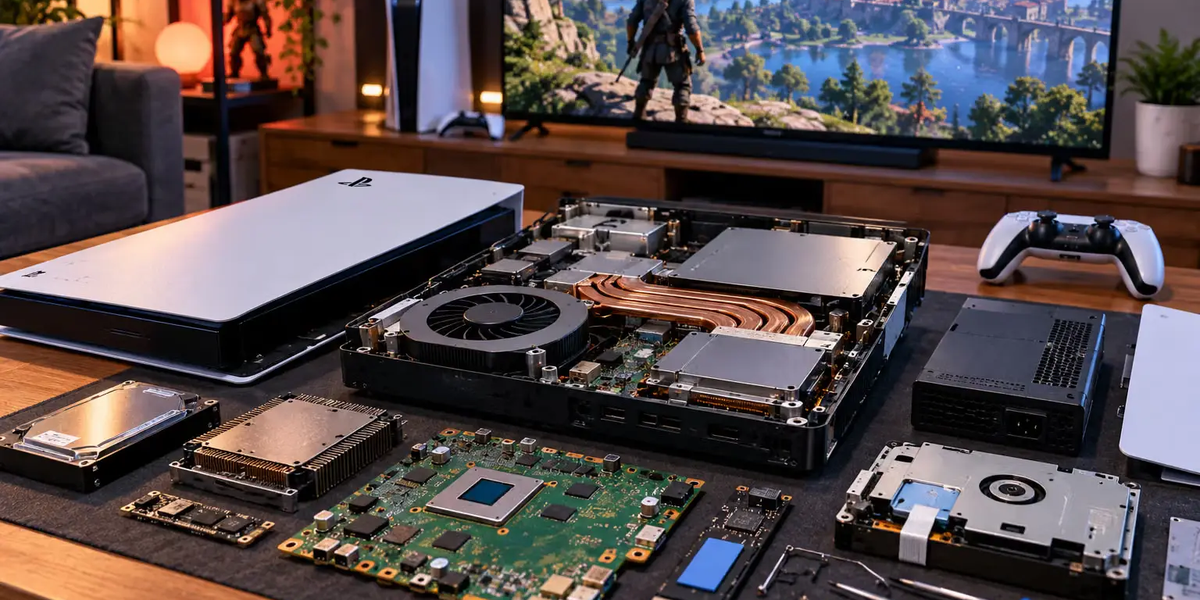
A modern phone is an extraordinarily sophisticated computer containing advanced processors, cameras, wireless communication, satellite navigation, biometric sensors, machine-learning systems, and access to an enormous global network.
Yet billions of people use these devices without thinking of themselves as technology enthusiasts.
Activities that once seemed deeply technical became ordinary.
People manage cloud storage, connect Bluetooth devices, use GPS satellites, stream digital media, authenticate with facial recognition, install software, participate in online communities, and communicate through encrypted networks.
The technology became so successful that people stopped noticing how technological their lives had become.
The geekiest possible outcome was not that everyone became obsessed with computers.
It was that computers became invisible.
Superhero Movies Changed the Meaning of Comic-Book Culture
For decades, superhero comics had passionate audiences, but comic-book knowledge still carried strong associations with niche fandom.
Then Hollywood discovered how effectively superhero universes could support long-running franchises.
The change did not happen overnight. Earlier superhero films had already demonstrated mainstream appeal, but the rise of interconnected cinematic universes changed the scale dramatically.
Audiences began following characters across multiple films, waiting through credits for clues, discussing continuity, predicting future storylines, and learning increasingly obscure pieces of comic mythology.
These were classic fandom behaviors.
The difference was that millions of people were now participating.
Knowing the relationships between superheroes stopped being evidence that someone had spent too much time in a comic shop.
It became useful information for understanding some of the world’s biggest movies.
Fantasy Became Prestige Entertainment
Fantasy experienced a similar transformation.
For years, fantasy fandom was frequently associated with specialized communities involving novels, tabletop games, medieval conventions, and elaborate fictional lore.
Then massive film and television productions demonstrated that audiences would embrace complicated fantasy worlds at enormous scale.
Suddenly, mainstream viewers were learning family histories, fictional geography, political alliances, invented languages, magical rules, and centuries of imaginary history.
The behavior itself had not changed.
People were doing exactly what dedicated fantasy fans had always done.
The audience had changed.
Once enough people become obsessed with fictional lore, obsession stops looking niche.
Streaming Removed the Gatekeepers
Television schedules once determined what audiences could easily watch.
Imported programs, old science-fiction series, animation, cult movies, and unusual genres could be difficult to find.
Streaming changed that.
A viewer could discover a decades-old sci-fi show, an anime series from Japan, a niche documentary, or a fantasy production without needing access to a specialized store or television channel.
Recommendation systems also helped unusual content find audiences.
Someone who watched one science-fiction series might immediately be shown five more.
This created pathways into fandom that previously required deliberate searching.
Geek culture became easier to discover because distribution no longer depended as heavily on physical shelves or limited broadcast schedules.
Anime Went From Subculture to Global Entertainment
Anime provides one of the clearest examples of this shift.
For years, fans outside Japan often needed specialized television blocks, imported media, fan translations, conventions, or dedicated stores to access anime.
That difficulty helped create a strong subculture.
Fans shared recommendations and developed communities partly because access itself required effort.
Streaming transformed the situation.
Anime became available instantly to enormous international audiences, often with subtitles and dubbing in multiple languages.
People who would never have considered themselves anime fans began watching major series.
The culture surrounding anime expanded with it, influencing fashion, music, gaming, memes, artwork, and online communities.
Something once treated as a specialized interest became part of global youth culture.
Gaming Became Social Rather Than Solitary
Another old stereotype imagined the gamer as someone sitting alone in a dark room.
Modern gaming demolished that image.
Online multiplayer games turned gaming into a social activity connecting friends across cities and countries.
Voice chat became a place where people spent evenings together. Cooperative games became digital hangouts. Competitive games created communities with teams, tournaments, commentators, and spectators.
Games such as Minecraft also became creative platforms where players built enormous collaborative projects.
The idea of a game as a finished product consumed individually became less accurate.
Games increasingly became places.
That shift made gaming culture much harder to separate from social culture.
Esports Turned Playing Games Into Spectator Entertainment
For people unfamiliar with gaming culture, watching someone else play a video game once sounded absurd.
Then competitive gaming developed professional leagues, teams, sponsors, tournaments, commentators, and enormous audiences.
Esports borrowed many structures from traditional sports.
Elite players train intensely. Teams develop strategies. Fans follow organizations and individual competitors. Major tournaments can fill arenas and attract large online audiences.
Even people who do not follow esports became increasingly familiar with the idea that gaming can be watched as entertainment.
This represented another major cultural transition.
Video games were no longer simply something people played.
They became something people watched other people play professionally.
Streaming Made Gamers Into Celebrities
Livestreaming pushed this transformation further.
Individual creators could broadcast themselves playing games while talking directly to audiences.
The appeal was not always exceptional gameplay.
Personality, humor, commentary, community, and interaction became equally important.
Some streamers built audiences large enough to become major celebrities.
This would have been difficult to imagine during the era when gaming was stereotyped as an antisocial hobby.
The supposedly isolated gamer became a performer entertaining millions.
Once again, technology did not merely make geek culture more visible.
It changed what geek culture could be.
Comic-Con Became a Symbol of the Shift
Fan conventions existed long before geek culture became mainstream.
They were places where enthusiasts could gather around interests that felt relatively unusual in everyday life.
As geek entertainment expanded, major conventions became enormous cultural events.
Studios began using them to announce movies and television shows. Celebrities appeared on panels. Trailers generated global headlines. Costumes became elaborate forms of craftsmanship.
The convention changed from a place where niche fans escaped mainstream culture into a place where mainstream entertainment companies competed for those fans’ attention.
That reversal says almost everything about how dramatically the cultural balance changed.
Cosplay Became a Creative Industry
Dressing as fictional characters was once one of the easiest behaviors for outsiders to mock.
Today, cosplay exists as an enormous international creative community.
High-level cosplayers use sewing, sculpture, electronics, makeup, 3D printing, painting, and engineering to reproduce complicated fictional designs.
Social media turned costumes previously seen mainly at conventions into globally shareable content.
Some creators built professional careers through sponsorships, commissions, photography, competitions, and online audiences.
Cosplay demonstrates how geek culture increasingly overlaps with maker culture, fashion, performance, photography, and digital entrepreneurship.
What once looked like dressing up became a sophisticated creative discipline.
The Tech Industry Made Geeks Powerful
Perhaps the biggest cultural shift had nothing to do with entertainment.
Technology became one of the most economically important industries in the world.
The stereotype of the computer enthusiast changed once software engineers, startup founders, programmers, and technology entrepreneurs began building companies worth enormous amounts of money.
Coding became a desirable skill.
Computer science became a major career path.
Startup culture turned technical knowledge into social and economic status.
The fictional geek who once struggled socially in a school comedy suddenly resembled someone who might build the next major technology company.
Cultural status often follows economic power, and the rise of the technology industry dramatically changed what technical expertise represented.
Social Media Turned Everyone Into a Fandom Participant
You do not need to attend conventions to participate in fandom anymore.
Social media transformed ordinary viewers into commentators.
People react to trailers, create theories, rank characters, analyze endings, share memes, argue about fictional relationships, and debate casting decisions.
These behaviors once belonged primarily to dedicated fan communities.
Now they surround almost every major entertainment release.
Even the language of fandom moved into mainstream conversation.
People casually discuss canon, spoilers, lore, reboots, easter eggs, timelines, multiverses, and fan theories.
Mainstream audiences did not merely begin consuming geek entertainment.
They adopted the culture that grew around it.
Memes Made Niche References Travel Faster
Internet memes accelerated the spread of geek culture because they allowed references to escape their original communities.
A line from a science-fiction movie could become a reaction image used by people who had never watched the movie. A gaming reference could become a joke understood far outside gaming communities.
The original context became less important than the meme itself.
This created a strange cultural feedback loop.
Geek media produced references. Internet communities transformed those references into memes. The memes reached mainstream audiences, which made the original media even more culturally recognizable.
The internet became a machine for turning obscure references into shared language.
Merchandising Made Fandom Visible Everywhere
Geek culture also became physically visible.
Superhero logos appeared on clothing sold by mainstream retailers. Gaming merchandise moved beyond specialty stores. Anime characters appeared on fashion collaborations. Collectible figures became office decorations rather than objects hidden in bedrooms.
Wearing a shirt featuring a fictional character stopped automatically signaling membership in a tiny subculture.
It could simply mean you liked the character.
That sounds like a small change, but it reflects a larger cultural transformation.
People became more comfortable publicly displaying their interests.
Fandom became part of personal style.
Nostalgia Became a Massive Business
As the first generations raised on games, comics, fantasy, and science fiction grew older, they gained disposable income.
Entertainment companies noticed.
Old franchises returned. Classic consoles were rereleased. Retro games received remakes. Familiar characters appeared in new films and television series. Toys once marketed primarily to children became expensive collectibles aimed directly at adults.
Nostalgia turned geek history into a major business.
The same generation once told that games and comics were childish could now spend adult money celebrating them.
This helped erase another boundary between childhood hobbies and adult culture.
Everyone Became a Little More Geeky
The biggest reason geek culture went mainstream may be that modern life rewards the behaviors once associated with geeks.
People research purchases obsessively. They compare technical specifications. They join online communities built around extremely specific interests. They watch tutorials about hobbies. They debate fictional universes. They customize computers, gaming setups, keyboards, phones, and home technology.
Someone might know nothing about comic books but spend hours discussing mechanical keyboards.
Another person may never play video games but know everything about camera lenses.
Someone else might memorize statistics about fitness trackers, coffee equipment, cars, skincare ingredients, or home automation.
The geek mindset escaped traditional geek subjects.
Deep enthusiasm became normal.
The Word Geek Changed With the Culture
Once geek interests became valuable, creative, and socially accepted, the word itself began losing much of its negative meaning.
People started voluntarily describing themselves as geeks.
A person could be a film geek, science geek, history geek, coffee geek, tech geek, or fitness geek.
The word increasingly meant someone who cares deeply enough about a subject to learn its details.
That is almost the opposite of the original insult.
The obsession remained.
The shame disappeared.
Mainstream Culture Did Not Replace Geek Culture
Something interesting happened during this transition.
Geek culture did not simply dissolve into the mainstream.
New niches constantly appeared underneath it.
Once superhero movies became mainstream, dedicated comic readers could still distinguish between casual viewers and people familiar with decades of source material. Once gaming became mainstream, specialized communities formed around speedrunning, modding, retro hardware, competitive games, indie development, and obscure genres.
Geek culture keeps creating deeper layers.
The mainstream can absorb the outer layer while enthusiasts move further into specialized territory.
There is always another rabbit hole.
Success Created New Problems
Going mainstream was not entirely positive.
As fandom became economically valuable, companies became increasingly interested in turning every recognizable property into a franchise.
Sequels, reboots, spin-offs, cinematic universes, merchandise, and nostalgia-driven releases multiplied.
Sometimes this produced wonderful new interpretations.
Other times it made culture feel increasingly dependent on familiar intellectual property.
Fan communities also became large enough for conflicts to become highly visible.
Arguments about adaptations, casting, canon, representation, and creative decisions could become exhausting.
The same internet that connected fans also gave disagreements enormous audiences.
Geek culture gained influence, but it also inherited many of the problems of mainstream culture.
There Was No Single Moment When Geek Culture Won
No movie, game, company, or website transformed geek culture by itself.
The shift happened through accumulation.
Home computers became normal. Video games grew with their audience. The internet connected niche communities. Smartphones put advanced technology in everyone’s hands. Superhero films became global blockbusters. Streaming made anime and science fiction easier to access. Social media turned fandom into public conversation. Technology companies made technical expertise economically powerful.
Each change weakened the old boundary between geek culture and mainstream culture.
Eventually, the boundary stopped making much sense.
The Mainstream Became the Fandom
The clearest evidence of the transformation is not simply that geek properties became popular.
It is that mainstream audiences learned to behave like geeks.
They analyze trailers frame by frame. They debate fictional timelines. They wait for game launches. They watch technology announcements. They collect merchandise. They discuss theories online. They argue about adaptations. They care about continuity.
These are fandom behaviors.
What changed was the number of people participating.
Once millions of people do something, society stops describing it as a strange subculture.
Geek Culture Won by Becoming Invisible
The final stage of mainstream success is when something stops feeling unusual.
Nobody calls someone a technology geek simply because they own a smartphone. Watching a superhero movie does not make someone a comic-book outsider. Playing games does not automatically place someone in a niche subculture. Watching anime no longer requires knowing where to find imported tapes or fan translations.
The cultural markers changed because the activities became ordinary.
That may be the real story of how geek culture went mainstream.
It did not march into popular culture and replace it. Popular culture gradually absorbed its technology, stories, habits, communities, and language until separating the two became almost impossible.
The geeks did not suddenly take over the world.
The world quietly became geekier.