Discord's Age Verification Backlash After Major Data Breach Exposes 70,000 Government IDs
Discord's Age Verification Backlash After Major Data Breach
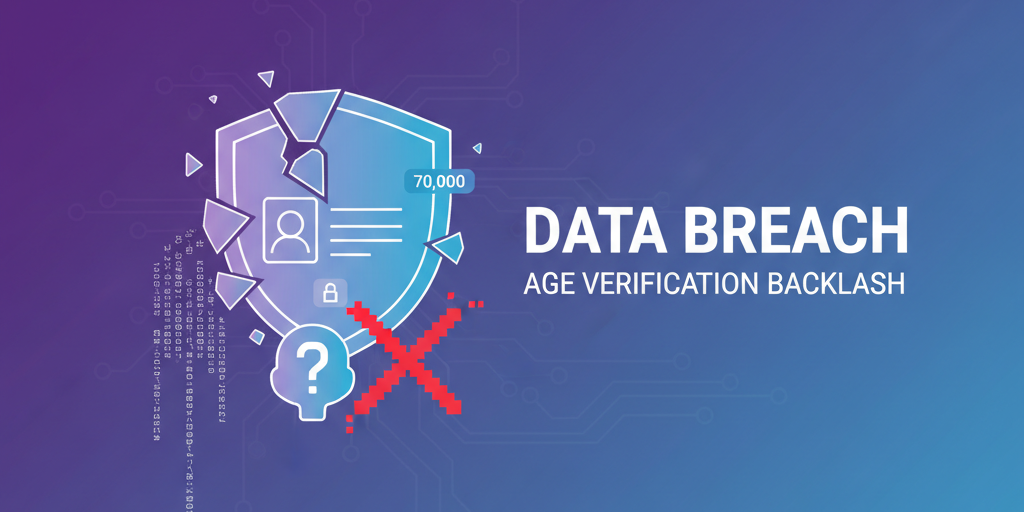
In October 2025, Discord's efforts to enforce age verification became a hotbed of controversy when hackers compromised the platform, stealing government IDs from 70,000 users. The breach not only exposed sensitive information but also raised questions about the efficacy and ethics of age verification practices in online spaces. As Discord grapples with the aftermath, users and experts alike voice their concerns about transparency, security, and privacy.
Key Takeaways
- Hackers stole government IDs from 70,000 Discord users, raising alarms about data security.
- Discord implemented age verification in response to legal requirements and user safety concerns.
- The backlash centers on fears regarding the handling and storage of sensitive personal data.
- Critics argue age verification measures may disproportionately affect younger users and marginalized communities.
- Discord's breach highlights the risks associated with centralized personal data storage.
- The incident has prompted calls for more robust cybersecurity measures across all online platforms.
- Users demand clearer communication from platforms regarding data protection and privacy policies.
The Breach: A Wake-Up Call for Discord
The October breach was a significant blow to Discord's reputation. Cybercriminals exploited vulnerabilities in the platform's age verification system, accessing sensitive personal information, including government-issued IDs. This incident is not merely a technical failure; it’s a stark reminder of the potential consequences of mishandling user data. Users now feel vulnerable, questioning how their information is stored and whether it is truly secure.
Discord's age verification system was initially introduced as a protective measure to create safer online environments for younger users. However, this aim has backfired. Critics argue that the very measures intended to safeguard users have become a double-edged sword, exposing them to greater risks.
The Ethics of Age Verification
Age verification isn’t a new concept in the digital age. Many platforms, particularly those catering to younger demographics, have implemented these checks to comply with legal requirements. But with these measures come significant ethical dilemmas. Critics argue that age verification can create barriers for younger users and disproportionately affect marginalized communities who may lack the necessary documentation.
Moreover, the reliance on government-issued IDs raises serious questions about privacy. Critics contend that platforms like Discord need to explore alternative methods of verification that do not involve collecting sensitive personal data. As users grapple with the fallout from the breach, the conversation around the ethics of age verification is more pressing than ever.
The Push for Better Security Measures
In light of the breach, there is a growing demand for enhanced cybersecurity protocols across all online platforms. Discord's experience serves as a cautionary tale about the risks associated with centralized data storage. The more personal information a platform collects, the more attractive it becomes to hackers.
Experts have called for industry-wide reforms to ensure that user data is better protected. This includes implementing zero-trust architectures, improving encryption methods, and conducting regular security audits. A proactive approach to cybersecurity could help restore user confidence in platforms that require personal information.
The Road Ahead: Building Trust
As Discord navigates the fallout from the breach, it faces an uphill battle to regain user trust. Transparency will be key in this process. Users need clear communication regarding how their data is stored, what measures are in place to protect it, and what steps are being taken to rectify the situation.
Moreover, Discord must engage with its community to discuss the future of age verification. This could involve exploring alternative options that prioritize user safety without compromising privacy. The platform has an opportunity to lead the way in creating a more secure and ethical framework for age verification.
Conclusion
The backlash against Discord's age verification measures following the data breach is a critical moment for the platform and the industry as a whole. As users demand better protections and more ethical practices, the onus is on Discord to respond not just with apologies, but with actionable changes. The challenge lies ahead, but it also presents a unique opportunity to redefine how online platforms handle user data, balancing safety with privacy in a digital landscape that often skews toward the former at the expense of the latter.